

Introduction
Importance of Solving Daily Life Questions
Every day, we face countless small questions—how to manage our time better, make healthier choices, solve minor problems, or simply make life a little easier. While these questions may seem simple, they play a significant role in shaping the quality of our lives. Addressing them effectively helps reduce stress, improve decision-making, and create a smoother daily routine.
Why Simple Answers Matter
Clarity Over Complexity
Simple answers make life easier. Not every challenge requires a complicated or time-consuming solution. When advice is clear and straightforward, it becomes easier to understand and apply immediately. This clarity saves time and helps avoid confusion.
Easy to Apply in Real Life
Practical, simple solutions are more likely to be used consistently. When something feels manageable, people are more inclined to take action rather than postpone or ignore it.
What Readers Will Gain from This Blog

Practical Tips for Everyday Problems
This blog will provide easy-to-follow tips that can be applied in daily situations—whether it’s managing time, improving habits, or solving common issues.
Better Decision-Making Skills
Readers will learn how to approach everyday challenges with a clearer mindset, making decisions that are both efficient and effective.
A More Balanced Lifestyle
By applying simple solutions, readers can create routines that support productivity while maintaining balance and reducing unnecessary stress.
Time Management Made Easy
Why People Struggle with Time
Many people feel like there’s never enough time in the day, but the real issue often isn’t time itself—it’s how it’s managed. Common reasons include lack of clear priorities, constant distractions (like social media or notifications), procrastination, and overcommitting to too many tasks. Without a structured approach, even simple days can feel overwhelming.
Simple Techniques
To-Do Lists
Writing down tasks helps clear mental clutter and gives you a clear roadmap for the day. Keep your list realistic and focused—aim for 5–7 important tasks instead of an endless checklist.
Prioritization
Not all tasks are equally important. Use simple methods like tackling the most important or urgent task first. A helpful approach is to identify your “top 3” tasks each day and make sure those get done no matter what.
Time Blocking
Divide your day into sections dedicated to specific tasks. This reduces multitasking and helps you stay focused on one thing at a time.
Common Mistakes to Avoid
Overloading Your Schedule
Trying to do too much in one day often leads to burnout and unfinished tasks. Be realistic about what you can achieve.
Ignoring Breaks
Working non-stop reduces productivity. Short breaks actually improve focus and energy levels.
Lack of Flexibility
Unexpected things happen. A rigid schedule can fall apart quickly, so always leave some buffer time.
Quick Daily Routine Example
Morning
Start your day by reviewing your to-do list and setting your top priorities. Focus on the most important task when your energy is highest.
Afternoon
Handle meetings, smaller tasks, or collaborative work. Take short breaks to stay refreshed.
Evening
Wrap up unfinished tasks, review what you’ve accomplished, and prepare a simple plan for the next day.
By keeping your approach simple and consistent, time management becomes less stressful and far more effective.
Managing Stress and Mental Well-being
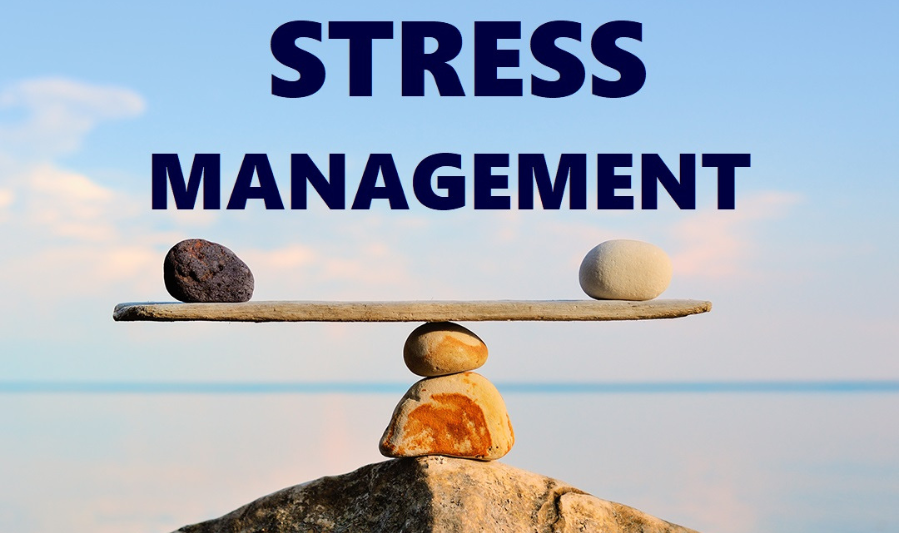
Everyday Causes of Stress
Stress often comes from small, repeated pressures rather than one big problem. Common triggers include heavy workloads, lack of time management, financial concerns, constant digital distractions, and unmet expectations. Even daily inconveniences—like traffic, poor sleep, or miscommunication—can build up over time and affect your mental well-being.
Easy Stress-Relief Methods
Breathing Techniques
Simple breathing exercises can quickly calm your mind and body. Try slow, deep breaths—inhaling for four seconds, holding for four, and exhaling for four. This helps reduce tension and brings your focus back to the present moment.
Taking Breaks
Short, regular breaks during work or study prevent burnout and improve focus. Even a 5–10 minute pause to stretch, walk, or step away from screens can reset your energy.
Engaging in Hobbies
Doing something you enjoy—like reading, exercising, listening to music, or creative activities—can significantly reduce stress. Hobbies give your mind a break from responsibilities and improve overall mood.
Building a Calm Daily Mindset
Start Your Day with Intention
Instead of rushing into tasks, take a few minutes in the morning to set a positive tone. This could be as simple as planning your day or practicing gratitude.
Focus on What You Can Control
Worrying about things beyond your control increases stress. Shifting your attention to actions you can take helps you feel more grounded and productive.
Limit Negative Input
Constant exposure to negative news or social media can increase anxiety. Set boundaries around what you consume daily.
When to Take Things Seriously
Persistent Stress
If stress lasts for weeks and starts affecting your sleep, appetite, or daily functioning, it’s important to address it more seriously.
Emotional or Physical Symptoms
Frequent headaches, fatigue, irritability, or feeling overwhelmed may signal that your mental health needs attention.
Seeking Support
Talking to a trusted friend, family member, or professional can make a big difference. Getting help is a practical step toward maintaining long-term well-being.
Managing stress isn’t about eliminating it completely—it’s about handling it in a way that keeps you balanced, focused, and healthy.
Boosting Daily Productivity
What Productivity Really Means
Productivity isn’t about doing more tasks in less time—it’s about doing the right things efficiently. Being productive means focusing your energy on meaningful activities that bring results, rather than staying busy with low-impact work. It’s quality over quantity, and clarity over chaos.
Simple Habits for Staying Focused
Start with Clear Goals
Begin your day with a clear idea of what you want to achieve. Identifying 2–3 key tasks helps you stay directed and prevents wasted effort.
Work in Short, Focused Sessions
Break your work into manageable time blocks (such as 25–45 minutes), followed by short breaks. This keeps your mind fresh and reduces burnout.
Keep Your Environment Clean
A tidy workspace reduces mental clutter and distractions, making it easier to concentrate on your tasks.
Avoiding Distractions
Managing Phone Usage
Your phone is one of the biggest productivity barriers. Turn off non-essential notifications or keep your phone in another room while working to maintain focus.
Limiting Social Media
Set specific times for checking social media instead of using it throughout the day. This prevents constant interruptions and helps you stay in control of your time.
Creating Boundaries
Let others know when you need uninterrupted time. Even small boundaries can significantly improve focus and efficiency.
Power of Consistency Over Perfection
Small Steps Every Day
Consistency beats occasional bursts of effort. Doing a little every day builds momentum and leads to long-term progress.
Let Go of Perfectionism
Waiting for perfect conditions or outcomes often leads to delays. It’s better to complete a task imperfectly than to not complete it at all.
Build Sustainable Routines
Create habits that are easy to maintain. A simple, repeatable routine will always outperform a complex plan that’s hard to follow.
In the end, productivity is about making steady progress, staying focused on what matters, and building habits that support your goals over time.
Health and Wellness Basics
Importance of Small Healthy Habits
Good health isn’t built through extreme changes—it comes from small, consistent habits practiced daily. Simple actions like drinking enough water, eating balanced meals, moving your body, and getting proper rest can have a powerful long-term impact. These habits are easier to maintain and create a strong foundation for overall well-being.
Easy Diet Improvements
Eat More Whole Foods
Focus on adding natural, unprocessed foods like fruits, vegetables, whole grains, and lean proteins to your meals. You don’t need a strict diet—just aim for better choices more often.
Stay Hydrated
Drinking enough water supports digestion, energy levels, and overall body function. Start your day with a glass of water and keep a bottle nearby throughout the day.
Control Portion Sizes
Overeating—even healthy food—can affect your energy and health. Eating balanced portions helps maintain a steady energy level.
Daily Physical Activity Ideas
Walking
A simple daily walk is one of the easiest ways to stay active. Even 20–30 minutes can improve mood, circulation, and fitness.
Stretching
Light stretching in the morning or after long sitting periods helps reduce stiffness and improve flexibility.
Short Home Workouts
You don’t need a gym. Basic exercises like squats, push-ups, or light cardio at home can keep you fit and energized.
Sleep and Its Impact
Why Sleep Matters
Quality sleep is essential for both physical and mental health. It affects your energy, focus, mood, and immune system. Poor sleep can lead to fatigue, irritability, and reduced productivity.
Build a Sleep Routine
Going to bed and waking up at the same time every day helps regulate your body clock and improves sleep quality.
You may also like to read these posts:
Daily Life Questions with Simple and Easy Answers for Everyone
Simple and Quick Answers to Common Daily Problems
Building Positive Thinking
Why Mindset Matters
Your mindset shapes how you interpret and respond to everyday situations. Two people can experience the same event but react completely differently based on their thinking patterns. A positive mindset doesn’t mean ignoring problems—it means approaching them with a solution-focused and balanced perspective. This helps reduce stress, improve resilience, and support better decision-making.
Practicing Gratitude
Focus on What You Have
Gratitude is about paying attention to the good things in your life, no matter how small. It could be your health, supportive people, or even simple daily comforts.
Daily Gratitude Habit
Take a few minutes each day to note 2–3 things you are grateful for. This simple practice helps shift attention away from negativity and builds a more optimistic outlook over time.
Dealing with Negative Thoughts
Recognize and Pause
Negative thoughts are normal, but they don’t have to control you. The first step is simply recognizing them without immediately reacting.
Challenge Unhelpful Thinking
Ask yourself whether the thought is based on facts or assumptions. Often, negative thinking exaggerates problems or predicts worst-case outcomes that are unlikely.
Replace with Balanced Thoughts
Instead of forcing positivity, try replacing harsh thoughts with more realistic and fair ones. This creates a healthier mental balance.
Simple Daily Positivity Exercises
Positive Affirmations
Start your day with simple statements like “I can handle today” or “I will do my best.” These help set a constructive tone.
Mindful Moments
Spend a few minutes focusing on your breathing or surroundings. This helps ground your thoughts in the present moment.
Reflect on Small Wins
At the end of the day, think about one or two things you did well. Recognizing progress, even in small steps, builds confidence and motivation.
Building positive thinking is not about ignoring challenges—it’s about training your mind to respond to life in a calmer, more balanced, and constructive way.
Faqs:
How can I quickly solve my daily life problems?
Start by breaking the problem into small parts. Focus on one step at a time instead of worrying about everything together.
What is the easiest way to stay productive every day?
Make a simple to-do list, prioritize important tasks, and avoid distractions like unnecessary phone use.
How do I handle stress in daily life?
Take short breaks, practice deep breathing, and give yourself time to relax. Even a few minutes of calm can help reduce stress.
How can I improve my daily routine?
Wake up and sleep at fixed times, plan your day in advance, and include small healthy habits like walking or reading.
Why are simple answers important for daily questions?
Simple answers save time, reduce confusion, and help you take quick and effective decisions in everyday life.
Conclusion
Daily life is full of questions, but most of them don’t need complicated solutions. When we focus on simple, practical answers, life becomes easier, more organized, and less stressful. Small habits like planning your day, staying positive, managing stress, and taking care of your health can create a big difference over time.
The key is consistency. You don’t need to change everything at once—just start with small steps and build better habits each day. By applying simple solutions to everyday questions, you can improve your productivity, mindset, and overall quality of life.