
Introduction
What Is Problem Solving?
Problem solving is the process of understanding a challenge, identifying its cause, and finding a suitable solution. It helps people deal with difficulties in a structured and logical way instead of reacting randomly or emotionally.
Importance of Practical Problem-Solving Skills in Daily Life
Better Handling of Situations
Practical problem-solving skills help you manage everyday challenges like time management, work pressure, and personal issues more effectively.
Improved Decision-Making
These skills allow you to think clearly, compare options, and choose the best possible solution.
Reduced Stress
When you know how to solve problems step by step, you feel more confident and less overwhelmed.
Understanding the Problem
Identifying the Real Issue
The first step in problem solving is clearly understanding what the actual problem is. Many times, what we see on the surface is only a symptom, not the real cause.
Focus on the Core
Try to separate the main issue from minor distractions so you can address the real problem effectively.
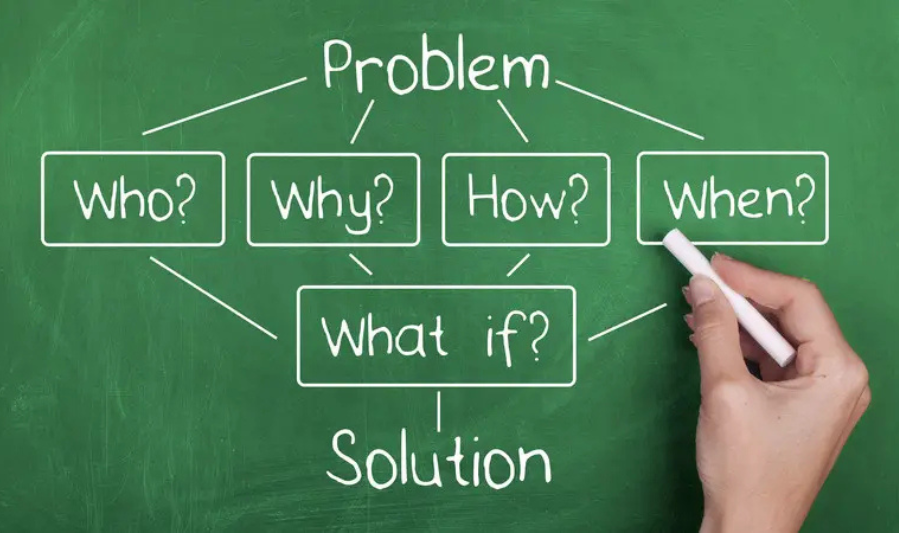
Asking the Right Questions (What, Why, How)
What is the problem?
Define exactly what is going wrong or what needs to be solved.
Why is it happening?
Try to find the cause behind the problem instead of just reacting to the result.
How can it be solved?
Think about possible ways to fix it in a simple and practical manner.
Avoiding Assumptions and Confusion
Stick to Facts
Avoid guessing or jumping to conclusions without proper information.
Stay Clear and Focused
Confusion often leads to wrong solutions, so always base your understanding on real observations and facts.
Understanding the problem correctly is the foundation of effective and successful problem solving.
Staying Calm and Focused
Why Emotions Affect Decision-Making
When people are stressed, angry, or anxious, their thinking becomes less clear. Emotions can lead to rushed decisions, overreactions, or ignoring important details, which may make the problem worse instead of solving it.
Key Impact
Strong emotions reduce logical thinking and increase mistakes in decision-making.
Benefits of a Calm Mindset
Clear Thinking
A calm mind helps you understand the situation more accurately and make better choices.
Better Control
You feel more in control of the problem instead of feeling overwhelmed by it.
Improved Solutions
Calm thinking leads to more practical and effective problem-solving.
Simple Ways to Stay Focused During Problems
Take Deep Breaths
Slow breathing helps reduce stress and improves mental clarity.
Pause Before Acting
Taking a short break before responding helps avoid emotional reactions.
Focus on One Step
Instead of thinking about everything at once, handle one part of the problem at a time.
Avoid Distractions
Stay away from unnecessary noise, devices, or thoughts that increase confusion.
Staying calm and focused is essential for solving problems effectively and making better decisions in daily life.
Breaking Down the Problem
Dividing Big Problems into Smaller Parts
Large problems often feel overwhelming because they contain many small issues hidden inside them. Breaking them into smaller parts helps you understand each piece clearly and reduces confusion.
How It Helps
- Makes the problem easier to understand
- Helps you focus on one issue at a time
- Reduces mental pressure
Handling Issues Step by Step
Step-by-Step Approach
Instead of trying to solve everything at once, deal with each part of the problem one by one.
Better Control
This method allows you to track progress and avoid mistakes caused by rushing.
Making Complex Problems Easier to Manage
Simplify the Situation
When a problem is broken down, it becomes more structured and less stressful.
Clear Thinking
Smaller parts are easier to analyze, which leads to better solutions.
Breaking down problems is a simple but powerful technique that makes even difficult situations easier to handle.
Finding Simple and Practical Solutions
Starting with Basic Solutions First
Always begin with the simplest possible solution before trying anything complex. Many problems can be solved quickly with small adjustments, so there is no need to overcomplicate the process.
Why It Matters
- Saves time and effort
- Often solves the problem immediately
- Reduces stress and confusion
Using Logical Thinking
Think Step by Step
Use clear reasoning instead of guessing. Break the problem into parts and evaluate each part logically.
Focus on Facts
Base your solution on what you know is true, not assumptions or emotions.
Avoiding Unnecessary Complications
Keep It Simple
Don’t add extra steps or ideas that are not needed for solving the problem.
Stay Focused
Stick to the main issue and avoid getting distracted by minor details.
Finding simple and practical solutions helps you solve problems faster, with less stress, and more effectiveness in everyday life.
Exploring Multiple Solutions
Thinking of Different Possible Answers
When facing a problem, don’t rely on just one idea. Try to think of several possible ways to solve it. This helps you see the situation from different angles and increases your chances of finding a better solution.
Why It Helps
- Encourages creativity
- Reduces risk of wrong decisions
- Opens more opportunities for success
Comparing Options
Evaluate Each Solution
Look at every possible option carefully and understand how it might work in your situation.
Check Pros and Cons
Compare the advantages and disadvantages of each solution before deciding.
You may also like to read these posts:
Daily Life Questions with Simple and Easy Answers for Everyone
Simple and Quick Answers to Common Daily Problems
Beginner Guide: Easy How to Solve Common Problems Easily
Choosing the Most Effective Solution
Pick the Best Fit
Select the solution that is most practical, simple, and effective for the problem.
Focus on Results
Choose the option that gives the best outcome with the least complexity and effort.
Exploring multiple solutions helps you make smarter decisions and solve problems more effectively in everyday life.
Faqs:
What is practical problem solving?
Practical problem solving is a step-by-step approach to identifying issues and finding simple, effective solutions in real-life situations.
Why is problem-solving important in daily life?
It helps you handle challenges efficiently, make better decisions, and reduce stress in both personal and professional situations.
What is the first step in solving a problem?
The first step is to clearly understand the problem by identifying its cause and asking the right questions.
What should I do if a solution doesn’t work?
If one solution fails, stay calm and try another approach. Problem-solving often requires testing different options.
How can I improve my problem-solving skills?
You can improve by practicing logical thinking, learning from experience, staying organized, and analyzing how past problems were solved.
Conclusion
Practical problem solving is a valuable skill that helps you handle challenges in a clear and effective way. By understanding the problem, staying calm, breaking issues into smaller parts, and testing simple solutions, you can solve most situations with ease.
With regular practice, you will become more confident in making decisions and finding better solutions in both daily life and work. The more you apply these steps, the stronger your problem-solving ability will become over time.