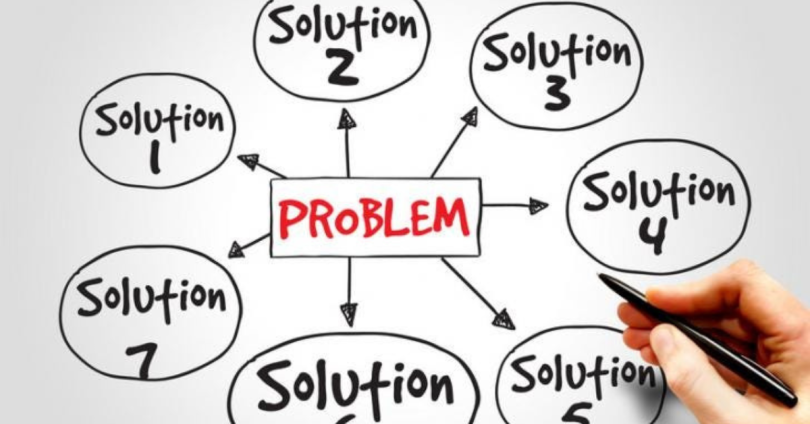

Introduction
Brief Explanation of Everyday Problems
Everyday problems are the small and common challenges people face in daily life. These can include managing time, completing tasks, dealing with stress, handling communication issues, or making simple decisions. Although they may seem minor, they can affect productivity and daily comfort.
Why Simple Solutions Matter in Daily Life
Easy to Apply
Simple solutions are easier to understand and use in real situations without confusion.
Save Time and Energy
They help solve problems quickly without wasting unnecessary effort.
Reduce Stress
When solutions are simple, problems feel less overwhelming and easier to manage.
What Readers Will Learn from the Blog
Practical Methods
Readers will learn easy and practical ways to handle everyday problems.
Step-by-Step Guidance
The blog will explain how to break problems into simple steps for better understanding.
Better Daily Management
It will help improve decision-making, organization, and problem-solving in daily life.
Understanding Everyday Problems

What Are Everyday Problems?
Everyday problems are the small but frequent challenges people face in their daily routine. These issues may seem simple, but they can still affect your time, mood, and productivity if not handled properly.
Common Types (Home, Work, Personal Life, Digital Issues)
Home Problems
Issues related to household tasks and responsibilities.
Examples:
- Managing chores
- Organizing household items
- Handling daily routines
Work Problems
Challenges faced in professional or study environments.
Examples:
- Meeting deadlines
- Heavy workload
- Understanding tasks or instructions
Personal Life Problems
Issues related to emotions, habits, and relationships.
Examples:
- Stress or anxiety
- Time management struggles
- Communication issues
Digital Issues
Problems related to devices, internet, or technology.
Examples:
- Slow internet connection
- App or software errors
- Device malfunction
Why They Often Feel Stressful

Too Many Small Tasks
When multiple small problems happen together, they can feel overwhelming.
Lack of Clear Solutions
Not knowing how to fix an issue can increase stress and confusion.
Time Pressure
When problems affect your schedule, they can create pressure and frustration.
Understanding everyday problems helps you stay calm, think clearly, and find better solutions in daily life.
Thinking Simply Before Acting
Importance of a Calm and Clear Mindset
A calm and clear mindset helps you see situations more objectively. When you are relaxed, you can think better, understand the problem correctly, and make smarter decisions instead of reacting emotionally.
Why It Matters
Clear thinking reduces mistakes and helps you choose practical solutions.
Avoiding Overcomplication
Keep Things Simple
Many problems become harder only because we overthink them. Instead of adding unnecessary complexity, focus on the basic issue.
Focus on Reality
Stick to facts and avoid imagining worst-case scenarios that are not necessary.
Breaking Problems into Smaller Parts
Make It Manageable
Large problems feel easier when divided into small, simple steps.
Solve Step by Step
Focus on one part at a time instead of trying to fix everything at once.
Thinking simply before acting helps you stay calm, reduce stress, and solve problems more effectively in daily life.
Staying Organized for Fewer Problems
Role of Organization in Daily Life
Staying organized helps you manage tasks, time, and responsibilities in a structured way. It reduces confusion, prevents missed tasks, and makes daily life smoother and more productive.
Why It Matters
When everything is organized, you can focus better, make fewer mistakes, and handle challenges more easily.
Time Management Tips
Plan Your Day
Start by listing what you need to do each day so you have a clear direction.
Prioritize Tasks
Focus on the most important tasks first instead of doing everything at once.
Avoid Delay
Try not to postpone tasks, as delays often create more pressure later.
Using Planners, Notes, and Apps
Planners
Help you schedule tasks and keep track of your daily routine.
Notes
Writing things down improves memory and helps you stay focused on important tasks.
Apps
Digital tools can send reminders, organize tasks, and improve productivity.
Staying organized helps reduce daily problems and makes life more balanced, efficient, and stress-free.
Step-by-Step Problem Solving
Why Step-by-Step Approach Works
A step-by-step approach works because it breaks a complex problem into smaller, manageable parts. This makes it easier to understand, reduces confusion, and helps you focus on one thing at a time instead of feeling overwhelmed.
Key Benefit
It improves clarity and leads to more accurate and practical solutions.
Identifying the Root Cause
Find the Real Issue
Instead of focusing on symptoms, try to understand what is actually causing the problem.
Ask Simple Questions
- What is happening?
- Why is it happening?
- When did it start?
Finding the root cause ensures you solve the real problem, not just the surface issue.
Testing Simple Solutions First
Start with Easy Fixes
Always try basic solutions before moving to complex ones.
Save Time and Effort
Simple fixes often solve the problem quickly without extra stress.
Step-by-step problem solving helps you stay organized, think clearly, and solve issues in a more effective way.
Basic Troubleshooting Techniques
Common Quick Fixes (Restart, Check Settings, Recheck Tasks)
Many everyday problems can be solved with simple actions before trying anything complex.
Restart or Refresh
Restarting a device or restarting a task can remove small errors and reset things to normal.
Check Settings
Sometimes the issue is caused by incorrect settings, so reviewing them can quickly solve the problem.
Recheck Tasks
Go through your work again to find missing steps, small mistakes, or overlooked details.
Solving Tech and Daily Routine Issues
Technical Problems
Basic troubleshooting can fix issues like slow devices, app errors, or internet problems by checking connections or restarting systems.
Daily Routine Problems
Simple fixes also work in everyday life, such as adjusting schedules, correcting forgotten tasks, or reorganizing plans.
You may also like to read these posts:
Daily Life Questions with Simple and Easy Answers for Everyone
Simple and Quick Answers to Common Daily Problems
Beginner Guide: Easy How to Solve Common Problems Easily
When Basic Fixes Are Enough
Simple Problems
If the issue is small and easy to identify, basic fixes are usually enough.
No Complex Cause
When there is no deeper or repeated problem, quick solutions often work immediately.
Time-Saving Solution
Using basic fixes first helps save time and avoids unnecessary effort.
Basic troubleshooting techniques help solve many common problems quickly and efficiently in both digital and daily life situations.
Faqs:
What are everyday problems?
Everyday problems are small issues we face in daily life such as time management, minor technical issues, or routine task difficulties at home or work.
What is the easiest way to solve daily problems?
The easiest way is to stay calm, understand the problem clearly, and start with simple solutions before trying complex methods.
How can organization help in solving everyday problems?
Being organized helps reduce confusion, saves time, and prevents many problems from happening in the first place.
What should I do if a problem keeps repeating?
If a problem repeats, try to find the root cause and change your habits or approach to prevent it from happening again.
When should I ask for help with everyday problems?
You should ask for help when the problem feels too difficult, confusing, or when simple solutions are not working.
Conclusion
Everyday problems are a normal part of life, but they don’t have to create stress or confusion. With simple thinking, step-by-step solutions, and good daily habits, most issues can be handled easily and effectively. Staying organized, avoiding overthinking, and learning from others can also make problem-solving much smoother.
By applying these easy solutions consistently, you can improve your daily routine, reduce mistakes, and handle challenges with more confidence and ease.