

Introduction
What Are Daily Life Questions
Daily life questions are the small, practical challenges people deal with every day. These can include managing time, staying productive, handling stress, making decisions, improving health, or organizing routines. Even though each issue may seem minor, together they shape how efficiently and comfortably a person lives.
Why People Need Simple Answers
Clear and Easy to Follow
Simple answers are easier to understand and apply in real situations. When solutions are straightforward, people can act quickly without confusion.
Saves Time and Energy
Complicated explanations often take more effort to process. Simple answers reduce unnecessary thinking and help people focus on action instead of analysis.
Works in Busy Schedules
Most people deal with limited time and attention. Simple guidance fits better into daily routines where quick decisions are needed.
Importance of Practical Guidance in Everyday Life

Makes Life More Manageable
Practical guidance helps break down problems into small, workable steps, making daily tasks easier to handle.
Encourages Consistent Action
When advice is realistic and simple, people are more likely to follow it regularly and build long-term habits.
Improves Overall Balance
Clear and practical solutions reduce confusion and stress, helping create a more balanced and organized lifestyle.
In essence, practical and simple answers make everyday life easier, more structured, and less stressful
Daily Routine and Time Management
Common Routine Problems People Face
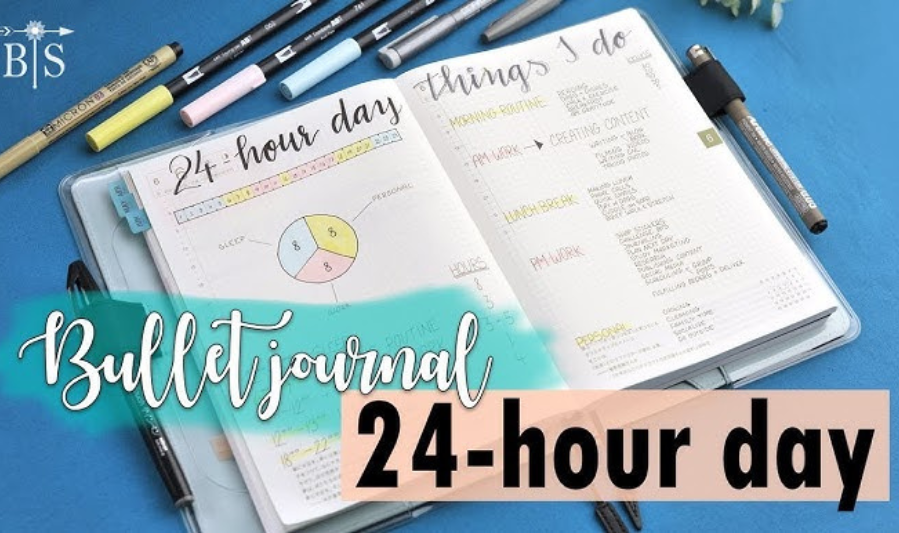
Many people struggle with unstructured routines that make their days feel chaotic. Common issues include waking up late, skipping planned tasks, poor time estimation, and spending too much time on low-priority activities. Distractions, lack of clear goals, and inconsistent habits also contribute to an unbalanced daily routine.
Simple Ways to Organize Your Day
Start with a Basic To-Do List
Write down what needs to be done each day. Keeping it short and realistic helps you stay focused instead of feeling overwhelmed.
Prioritize Important Tasks
Identify the most important tasks first and complete them early in the day when energy and focus are higher.
Use Time Blocks
Divide your day into simple sections for work, breaks, meals, and personal activities. This creates structure and reduces confusion about what to do next.
Importance of Planning Ahead
Reduces Last-Minute Stress
Planning your day or even the night before helps you avoid rushing and last-minute confusion.
Improves Decision-Making
When your tasks are already planned, you spend less time deciding what to do and more time actually doing it.
Increases Productivity
A clear plan keeps you focused and ensures that important tasks are not ignored or delayed.
Building a Consistent Daily Schedule
Keep a Fixed Routine
Try to wake up, eat, work, and sleep at consistent times. This helps your body and mind adjust to a stable rhythm.
Start Small and Simple
Don’t try to create a perfect schedule immediately. Begin with small habits and gradually improve them over time.
Stay Flexible but Consistent
Life can be unpredictable, so allow some flexibility while maintaining the core structure of your routine.
A well-organized daily routine doesn’t require complexity—it needs consistency, simple planning, and steady habits that support your goals.
Productivity in Daily Life
What Productivity Means in Simple Terms
Productivity simply means getting important things done in an efficient way. It’s not about being busy all the time—it’s about using your time and energy wisely to complete meaningful tasks that actually matter in your daily life.
Easy Habits to Stay Productive
Start Your Day with a Plan
Begin each day by identifying a few key tasks. Knowing what you need to do helps you stay focused and avoid wasting time.
Break Work into Small Steps
Large tasks feel easier when divided into smaller, manageable parts. This makes it simpler to start and continue without feeling overwhelmed.
Maintain a Clean Workspace
A tidy environment reduces mental clutter and helps you concentrate better on your tasks.
Avoiding Distractions (Phone, Social Media, etc.)
Limit Phone Usage
Keep your phone on silent or away while working. Constant notifications are one of the biggest productivity killers.
Set Social Media Boundaries
Use social media at specific times instead of checking it repeatedly throughout the day.
Remove Unnecessary Interruptions
Avoid multitasking between apps, tabs, or tasks that are not related to your main goal.
Focusing on One Task at a Time
Single-Tasking Over Multitasking
Doing one task at a time improves quality and reduces mistakes. Multitasking often leads to slower progress and confusion.
Use Focused Time Blocks
Work for a set period without distractions, then take short breaks to recharge your mind.
Finish Before Switching
Try to complete or reach a natural stopping point before moving to another task. This keeps your workflow smooth and organized.
Productivity becomes much easier when you keep things simple, reduce distractions, and focus on doing one important task at a time with full attention.
Health and Lifestyle Questions
Basic Health Concerns in Daily Life
Many people face everyday health concerns such as low energy, frequent tiredness, poor sleep, irregular eating habits, and lack of physical activity. Stress, screen overuse, and unhealthy routines can also slowly affect both physical and mental well-being over time.
Simple Habits for Better Physical Health
Eat Balanced Meals
Include a mix of fruits, vegetables, proteins, and whole grains in your daily diet. You don’t need strict dieting—just more balanced choices.
Stay Physically Active
Regular movement, even in small amounts, helps improve fitness and energy levels. Walking, stretching, or light exercise can make a big difference.
Maintain Consistency
Healthy habits work best when done regularly rather than occasionally.
Importance of Water, Sleep, and Exercise
Water
Drinking enough water helps your body stay hydrated, improves digestion, and supports overall energy levels throughout the day.
Sleep
Good sleep is essential for recovery, focus, and emotional balance. Poor sleep can affect mood, productivity, and health.
Exercise
Physical activity strengthens the body, improves heart health, and reduces stress. Even simple daily movement is beneficial.
Small Lifestyle Improvements
Reduce Screen Time
Limiting unnecessary phone and screen usage can improve focus and reduce mental fatigue.
Improve Daily Routine
A consistent sleep and activity schedule helps the body function more efficiently.
Make Small Changes
Instead of big sudden changes, focus on small improvements like drinking more water, walking daily, or eating healthier snacks.
Better health is built through simple, consistent lifestyle choices that are easy to maintain in everyday life.
Stress and Mental Well-being
Common Causes of Daily Stress
Daily stress often builds up from ordinary situations rather than major events. Common causes include work pressure, deadlines, financial worries, lack of sleep, and poor time management. Constant phone use, social media overload, and multitasking can also increase mental pressure without being immediately noticeable.
Quick and Easy Stress Management Methods
Pause and Reset
Taking a short pause during stressful moments helps prevent emotional overload. Even stepping away for a few minutes can calm the mind.
Simplify the Situation
Break the problem into smaller parts and focus only on what can be handled right now instead of everything at once.
Change Your Focus
Shifting attention to a simple activity like walking or listening to calm music can quickly reduce stress levels.
Relaxation Techniques (Breathing, Breaks, Hobbies)
Breathing Exercises
Slow, deep breathing helps relax the nervous system. Inhale slowly, hold briefly, and exhale gently to calm the body and mind.
Short Breaks
Regular breaks during work or study refresh your mind and improve focus. Even a few minutes away from screens can help.
Hobbies and Interests
Engaging in activities you enjoy—such as reading, exercise, or creative work—helps reduce stress and improve mood.
Staying Mentally Balanced
Maintain a Simple Routine
A consistent daily routine reduces uncertainty and helps keep the mind stable.
Avoid Overloading Yourself
Taking on too many tasks increases pressure. Focus on what is truly important and realistic.
Take Care of Sleep and Rest
Proper rest is essential for emotional balance and mental clarity.
Staying mentally balanced is about managing stress in small, simple ways every day rather than waiting for it to build up.
Decision-Making in Everyday Life
Why People Struggle with Decisions
Many people find decision-making difficult because they fear making the wrong choice. Too many options, unclear goals, and pressure to choose “perfectly” often lead to confusion. Overthinking possible outcomes and worrying about future consequences can also slow down even simple decisions.
Simple Ways to Choose Better and Faster
Limit Your Options
Instead of comparing too many choices, reduce them to a few practical options. Fewer choices make decisions easier and faster.
Set a Time Limit
Give yourself a fixed amount of time to decide. This prevents unnecessary delay and encourages quicker thinking.
Focus on What Matters Most
Choose based on what is most useful or important in your current situation rather than minor details.
Avoiding Overthinking
Stop Rechecking Decisions
Constantly reviewing the same options creates confusion. Once enough information is available, make the decision and move forward.
Accept Imperfect Choices
Not every decision will be perfect. In most daily situations, a “good enough” choice is better than no choice at all.
Write It Down
Listing simple pros and cons can help clear your mind and reduce mental pressure.
You may also like to read these posts:
Daily Life Questions with Simple and Easy Answers for Everyone
Simple and Quick Answers to Common Daily Problems
Using Logic and Priorities
Follow Your Main Goals
Choose options that align with your long-term goals instead of short-term emotions or pressure.
Think Practically
Focus on what makes the most sense in real life rather than overanalyzing every possible outcome.
Learn from Experience
Past decisions can guide future ones. Use what has worked before as a reference for making better choices.
Good decision-making is not about complexity—it is about clarity, priorities, and acting with confidence instead of hesitation.
Faqs:
What are daily life questions and answers?
They are simple questions that people face in everyday life, along with easy and practical solutions to handle them better.
How can I improve my daily routine?
Plan your day in advance, focus on important tasks first, and follow a consistent schedule to stay organized.
What is the best way to stay productive every day?
Avoid distractions, work on one task at a time, and take short breaks to maintain focus and energy.
How do I manage stress in daily life?
Practice deep breathing, take breaks, and spend time doing activities that relax your mind.
Why are simple answers important in daily life?
Simple answers help save time, reduce confusion, and make it easier to solve everyday problems quickly and effectively.
Conclusion
Daily life is full of small questions, and finding simple answers to them can make a big difference in how we live each day. When we understand how to manage our routine, stay productive, take care of our health, and handle stress, life becomes more balanced and easier to control.
The key is not to complicate things. Simple thinking and small consistent actions are often enough to solve most everyday problems. By applying these daily life questions and answers in your routine, you can improve your habits, save time, and reduce unnecessary stress.