

Introduction
Meaning of Everyday Issues in Daily Life
Everyday issues are the small, routine challenges people face regularly. These can include managing time, handling stress, staying organized, making decisions, maintaining health, and balancing responsibilities. While each problem may seem minor on its own, together they can significantly affect how smoothly a person’s day goes.
Why People Struggle with Small Problems
Many people struggle with small problems not because they are difficult, but because they are repeated and poorly managed. Lack of planning, overthinking, distractions, and unclear priorities often make simple issues feel bigger than they actually are. Over time, these small challenges can build up and create unnecessary pressure.
Importance of Easy and Practical Solutions

Simple to Understand and Use
Easy solutions are more likely to be applied in real life because they don’t require complex thinking or extra effort.
Save Time and Energy
Practical solutions reduce confusion and help people focus their energy on solving problems instead of analyzing them.
Fit Real-Life Situations
Daily life is busy and unpredictable, so simple solutions work better than complicated strategies that are hard to follow.
How Simple Changes Improve Life Quality
Better Organization
Small improvements in routine and planning can make daily life more structured and less chaotic.
Reduced Stress
When problems are handled simply and early, they don’t build up into bigger stress.
Improved Productivity and Balance
Small positive changes, such as better habits or clearer routines, lead to a more balanced and efficient lifestyle over time.
In short, understanding and applying simple, practical solutions helps turn everyday challenges into manageable tasks and improves overall quality of life.
Time Management Issues
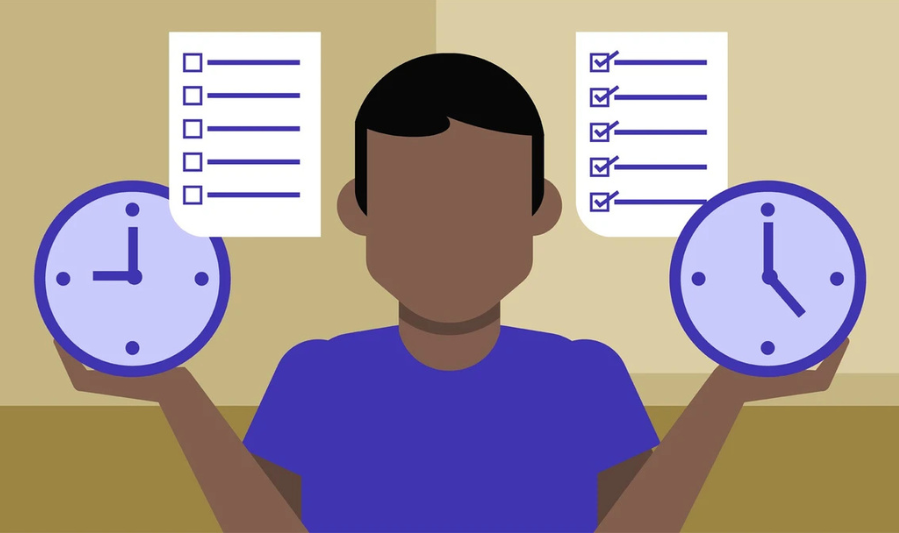
Common Time-Related Problems (Delays, Poor Planning)
Many people struggle with delays and unfinished tasks because of weak planning and unclear priorities. Common issues include starting work late, underestimating how long tasks take, spending too much time on low-value activities, and constantly switching between tasks. Distractions and lack of structure also lead to wasted time throughout the day.
Easy Solutions for Better Time Use
Start With a Clear Plan
Before beginning your day, decide what needs to be done. A simple plan reduces confusion and helps you stay on track.
Break Tasks into Smaller Steps
Large tasks often cause delay. Breaking them into smaller actions makes them easier to start and complete.
Reduce Distractions
Limit unnecessary phone use, social media scrolling, and multitasking to improve focus and save time.
Creating Simple Daily Schedules
Basic Time Blocks
Divide your day into simple parts like work, study, meals, and rest. This creates structure without making your routine complicated.
Keep It Realistic
Avoid overloading your schedule. A practical plan is always better than an ideal one that cannot be followed.
Review Your Day
Spend a few minutes at the end of the day checking what you completed and adjusting tomorrow’s plan.
Prioritizing Important Tasks
Use the “Top Tasks” Method
Choose 2–3 important tasks each day and focus on completing them first.
Do Important Work First
Handle high-priority tasks when your energy is highest, usually in the morning or early in the day.
Separate Important and Urgent
Not everything urgent is important. Focus more on tasks that truly matter for your goals.
Good time management is about simple planning, clear priorities, and consistent habits rather than complex systems.
Stress and Mental Pressure
Everyday Causes of Stress
Stress in daily life often comes from simple, repeated situations rather than major events. Common causes include work or study pressure, financial concerns, lack of sleep, poor time management, and constant digital distractions. Even small issues like delays, misunderstandings, or unfinished tasks can build up and create mental pressure over time.
Quick and Easy Stress Relief Methods
Step Back for a Moment
When stress increases, pausing briefly helps your mind reset and reduces emotional overload.
Shift Your Attention
Focusing on something simple like music, a short walk, or a different task can quickly reduce mental tension.
Simplify the Problem
Instead of thinking about everything at once, focus only on the next small step you can take.
Importance of Short Breaks and Relaxation
Prevent Mental Fatigue
Short breaks during work or study help prevent burnout and keep your mind fresh and active.
Improve Focus
Resting your mind for a few minutes improves concentration when you return to your task.
Reduce Stress Build-Up
Regular relaxation stops stress from accumulating throughout the day.
Maintaining a Calm Mindset
Accept What You Can’t Control
Focusing only on what you can change helps reduce unnecessary worry and stress.
Keep Things Simple
Avoid overcomplicating problems. Simple thinking often leads to better clarity and solutions.
Build a Balanced Routine
A consistent daily routine with proper sleep, work, and rest helps maintain emotional stability.
Staying calm is not about avoiding stress completely, but about managing it in simple and healthy ways every day.
Productivity and Focus Problems
Why Focus Becomes Difficult in Daily Life
Focus becomes harder in modern life because of constant distractions and mental overload. Phones, social media, notifications, and multitasking break attention repeatedly. Lack of clear goals, fatigue, and unorganized routines also make it difficult to stay concentrated on one task for long periods.
Easy Ways to Improve Concentration
Set Clear Goals
Before starting any task, decide exactly what you want to achieve. Clear goals help direct your attention and reduce confusion.
Start with Simple Tasks
Begin with easier parts of work to build momentum, then move to more complex tasks.
Keep Your Mind Organized
A short to-do list or plan helps reduce mental clutter and improves focus.
Reducing Distractions Effectively
Control Phone Usage
Keep your phone away or on silent during focused work. Notifications are one of the biggest attention disruptors.
Clean Work Environment
A tidy and organized workspace helps reduce visual distractions and improves concentration.
Limit Unnecessary Apps and Tabs
Avoid opening unrelated apps or multiple browser tabs while working on an important task.
Working in Short and Focused Sessions
Use Focus Time Blocks
Work for a set period (such as 20–30 minutes) with full concentration, then take a short break.
Take Regular Breaks
Short breaks help refresh your mind and prevent mental fatigue.
Repeat Consistently
Repeating focused sessions throughout the day improves productivity without overwhelming the brain.
Improving focus is not about working longer—it’s about working smarter by reducing distractions and using your attention in a structured way.
Motivation and Laziness Issues
Reasons Behind Low Motivation
Low motivation often happens due to mental fatigue, unclear goals, or feeling overwhelmed by tasks. When work seems too large or complicated, the brain tends to avoid it. Lack of interest, poor sleep, distractions, and fear of failure can also reduce the desire to take action.
Simple Ways to Start Tasks Quickly
Start with the First Small Step
Instead of thinking about the whole task, focus only on the very first step. This reduces pressure and makes it easier to begin.
Use the “Just Start” Method
Commit to working for only a few minutes. Often, starting is the hardest part, and once you begin, continuing becomes easier.
Remove Overthinking
Avoid waiting for the “perfect moment.” Start even if conditions are not ideal.
Building Momentum Through Small Actions
Break Tasks into Tiny Steps
Smaller tasks feel easier and create quick wins that build confidence.
Focus on Progress, Not Size
Even small progress is valuable. Each completed step increases motivation to continue.
Keep Moving Forward
Once you start, try to maintain flow by continuing with related small tasks.
Staying Consistent in Daily Habits
Create Simple Routines
A basic daily structure makes actions more automatic and less dependent on motivation.
Set Realistic Expectations
Avoid setting overly difficult goals that are hard to maintain over time.
Track Small Wins
Noticing daily progress helps maintain motivation and builds long-term consistency.
Motivation is not something you wait for—it grows when you take small, consistent actions every day.
Decision-Making Problems
Why Daily Decisions Feel Difficult
Daily decisions often feel harder than they should because of too many options, fear of making mistakes, and lack of clear priorities. People also tend to overanalyze small choices, thinking about every possible outcome. This creates confusion and delays even simple decisions.
Easy Methods to Make Quick Decisions
Limit Your Options
Reduce choices to two or three practical options. Fewer options make decisions faster and clearer.
Set a Time Limit
Give yourself a short deadline to decide. This prevents unnecessary delay and helps you act more confidently.
Go With Practical Choice
Choose what works best in the current situation instead of searching for a perfect option.
Avoiding Overthinking
Stop Repeating the Same Thoughts
Once you have enough information, avoid going over the same decision again and again.
Accept “Good Enough” Choices
Not every decision needs to be perfect. In daily life, a reasonable choice is usually enough.
Focus on Action
Instead of thinking endlessly, shift your focus toward taking the next step.
You may also like to read these posts:
Daily Life Questions with Simple and Easy Answers for Everyone
Simple and Quick Answers to Common Daily Problems
Using Simple Logic and Priorities
Follow What Matters Most
Choose based on importance and long-term benefits rather than emotions or pressure.
Think Practically
Ask what is most useful or realistic in your current situation.
Learn From Experience
Use past decisions as guidance to make better and faster choices in the future.
Good decision-making is about simplicity, clarity, and acting with confidence instead of hesitation.
Faqs:
What are easy solutions for everyday issues?
They are simple and practical ways to solve common daily problems without overcomplicating things.
How can I deal with everyday issues more effectively?
Stay calm, think clearly, and break problems into small steps to find quick and easy solutions.
What is the best way to manage daily stress?
Take short breaks, practice deep breathing, and give yourself time to relax and reset your mind.
How can I stay productive while handling daily issues?
Focus on one task at a time, avoid distractions, and complete small tasks step by step.
Why is it important to find easy solutions for daily problems?
Easy solutions save time, reduce stress, and help you handle everyday life in a more efficient and organized way.
Conclusion
Everyday issues are a natural part of life, but they don’t have to feel overwhelming. When you focus on easy solutions and simple thinking, most daily problems become much easier to handle. Small actions like planning your day, staying calm, and taking one step at a time can make a big difference.
The key is consistency and a practical approach. You don’t need perfect solutions—just effective ones that work for you. By applying these easy solutions for everyday issues, you can reduce stress, improve your routine, and create a more balanced and productive life.