

Introduction
What Are How-To Tutorials
How-to tutorials are instructional guides that explain how to complete a task or solve a problem in a clear, structured way. They break down complex activities into simple, step-by-step instructions so that anyone, especially beginners, can follow them easily and achieve the desired result.
Why Step-by-Step Learning Is Important
Easier Understanding
Step-by-step learning helps break information into small, manageable parts, making it easier to understand and remember.
Reduces Mistakes
Following clear steps reduces confusion and helps avoid errors during the process.
Builds Confidence
When learners can follow instructions successfully, they feel more confident in trying new tasks.
Benefits of Simple Instructional Guides
Easy to Follow
Simple guides remove unnecessary complexity and focus only on what is important.
Saves Time
Clear instructions help users complete tasks faster without guessing or searching for extra information.
Practical Application
Simple guides are designed for real-life use, making them more effective and useful.
Purpose of the Blog
Provide Clear Guidance
This blog aims to offer easy-to-understand tutorials for everyday tasks and problems.
Help Beginners Learn Faster
It focuses on simplifying learning so beginners can quickly understand and apply new skills.
Support Practical Problem-Solving
The goal is to help readers solve problem
Understanding Step-by-Step Learning
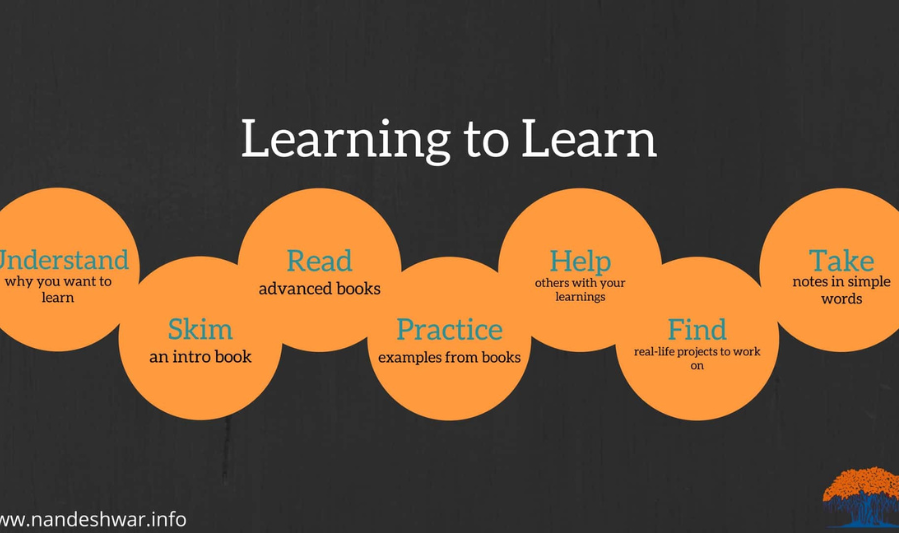
Meaning of Step-by-Step Tutorials
Step-by-step tutorials are learning guides that break a process into small, ordered instructions. Instead of explaining everything at once, they show each action in sequence so the learner can follow along easily and complete the task without confusion.
Why Beginners Prefer This Method
Easy to Follow
Beginners find step-by-step learning simple because it removes complexity and shows exactly what to do next.
Reduces Pressure
It avoids overwhelming learners with too much information at once, making the process feel more manageable.
Builds Confidence
Completing one step at a time helps beginners feel progress, which increases motivation to continue learning.
How It Simplifies Complex Tasks
Breaks Down Difficulty
Large or complicated tasks are divided into smaller, understandable parts.
Creates Clear Direction
Each step provides a clear action, so there is no confusion about what to do next.
Improves Focus
Learners can concentrate on one part of the task instead of trying to handle everything together.
Importance in Daily Life Learning
Useful for Everyday Skills
Step-by-step learning helps in tasks like cooking, using technology, managing work, or learning new habits.
Saves Time and Effort
Clear instructions reduce mistakes and repeated attempts.
Supports Independent Learning
People can learn new things on their own without needing constant help.
Step-by-step learning makes knowledge easier to understand, apply, and remember, especially in everyday life situations.
Setting a Clear Goal

Why Goals Are Important Before Starting
Setting a goal before starting any task gives direction and purpose. Without a clear goal, learning can feel scattered and confusing. A defined goal helps you understand what you are trying to achieve, making it easier to stay focused and motivated throughout the process.
How to Define a Simple Learning Goal
Keep It Specific
A good goal clearly states what you want to learn or achieve instead of being too broad.
Make It Realistic
Choose goals that match your current level so they are achievable without unnecessary pressure.
Keep It Simple
Avoid complicated or long descriptions. A short and clear goal is easier to follow.
Staying Focused on the End Result
Remember the Purpose
Keeping your end goal in mind helps you stay motivated during the learning process.
Track Your Progress
Noticing small improvements keeps you encouraged and moving forward.
Avoid Side Distractions
Focus only on tasks that directly help you reach your goal.
Avoiding Confusion in Learning
Break Learning into Steps
Dividing the process into small parts makes it easier to understand.
Stick to One Goal at a Time
Trying to learn too many things at once can create confusion.
Follow a Clear Plan
A simple structure helps you know exactly what to do next.
Setting a clear goal is the first step toward effective learning, helping you stay focused, organized, and confident in your progress.
How to Create Small and Clear Steps
Start with the Final Goal
First, clearly identify what you want to achieve at the end of the task.
Break It Into Logical Parts
Divide the task into natural stages or phases that follow a simple order.
Make Each Step Action-Based
Each step should describe a clear action that you can complete easily.
Making Tasks Easier to Follow
Keep Steps Short
Short and simple steps are easier to understand and remember.
Follow a Sequence
Complete steps in a proper order to avoid confusion.
Focus on One Step at a Time
Concentrate on finishing the current step before moving to the next.
Examples of Step Breakdown
Example 1: Writing an Essay
- Choose a topic
- Research information
- Create an outline
- Write introduction
- Write main points
- Edit and finalize
Example 2: Cleaning a Room
- Pick up clutter
- Organize items
- Dust surfaces
- Clean floor
- Arrange furniture
Example 3: Learning a New Skill
- Understand basics
- Watch tutorials
- Practice small exercises
- Apply knowledge in real tasks
- Review and improve
Breaking tasks into steps turns complex work into simple, clear actions that are easier to complete and manage effectively.
Following Instructions Properly
Importance of Following Order
Following instructions in the correct order is important because each step is usually designed to build on the previous one. When you follow the sequence properly, the process becomes smoother and easier to understand. It also helps ensure that nothing important is missed during learning or task completion.
Why Skipping Steps Causes Mistakes
Loss of Key Information
Skipping steps can lead to missing important details that are necessary for the next part of the process.
Confusion Later On
When earlier steps are ignored, later instructions may not make sense or may become difficult to follow.
Incorrect Results
Not following the full process often leads to errors or incomplete outcomes.
Reading or Watching Carefully
Pay Full Attention
Careful reading or watching ensures that you fully understand what is being explained.
Avoid Assumptions
Don’t assume you already know the next step—every instruction matters.
Repeat If Needed
Reviewing instructions again can help improve clarity and reduce mistakes.
Staying Attentive During Learning
Minimize Distractions
Focus on the material without interruptions like phone use or background noise.
Take Notes
Writing key points helps you remember steps more clearly.
Stay Patient
Learning properly takes time, so staying calm and attentive improves results.
Following instructions properly helps you learn faster, avoid mistakes, and complete tasks with greater accuracy and confidence.
Practicing Along the Way
Why Practice Improves Learning
Practice is one of the most effective ways to learn because it turns information into real skill. When you repeatedly apply what you learn, your understanding becomes stronger and more natural. It also helps you remember things for a longer time compared to just reading or watching.
Doing Tasks While Learning
Active Learning
Instead of only studying instructions, try doing the task at the same time. This makes learning more practical and easier to understand.
Step-by-Step Application
Apply each step as you learn it instead of waiting until the end. This reduces confusion and improves clarity.
Hands-On Experience
Practical involvement helps you understand how things actually work in real situations.
You may also like to read these posts:
Daily Life Questions with Simple and Easy Answers for Everyone
Simple and Quick Answers to Common Daily Problems
Beginner Guide: Easy How to Solve Common Problems Easily
Learning from Mistakes
Mistakes Are Part of Learning
Errors are normal and help identify what needs improvement.
Understand What Went Wrong
Instead of avoiding mistakes, analyze them to learn better methods.
Improve Gradually
Each mistake helps you refine your approach and do better next time.
Building Confidence Through Practice
Repetition Builds Comfort
The more you practice, the more confident you become in performing the task.
See Progress Over Time
Small improvements encourage continued effort and motivation.
Reduce Fear of Failure
Regular practice helps reduce hesitation and fear when trying new things.
Practicing along the way makes learning more effective, builds real understanding, and helps turn knowledge into confidence and skill.
Faqs:
What are step-by-step how-to tutorials?
They are simple guides that explain tasks in small, clear steps so beginners can easily follow and learn.
Why are step-by-step tutorials important for beginners?
They make learning easier by breaking complex tasks into simple instructions, reducing confusion and mistakes.
How can I follow a tutorial effectively?
Read or watch carefully, follow each step in order, and practice along the way without skipping any part.
What should I do if I don’t understand a step?
Pause, recheck the instruction, or repeat the step slowly until you understand it properly before moving on.
How do step-by-step tutorials help in daily life?
They help you learn new skills easily, complete tasks correctly, and build confidence in doing things on your own.
Conclusion
Step-by-step how-to tutorials make learning simple, clear, and easy to follow. By breaking tasks into small instructions, they help beginners understand even difficult topics without confusion or stress.
The key to success with tutorials is patience, practice, and following each step carefully. When you take your time and learn properly, you build stronger skills and confidence.
In the end, step-by-step learning is one of the most effective ways to improve yourself and handle everyday tasks with ease.