
Introduction
Importance of Managing Daily Tasks
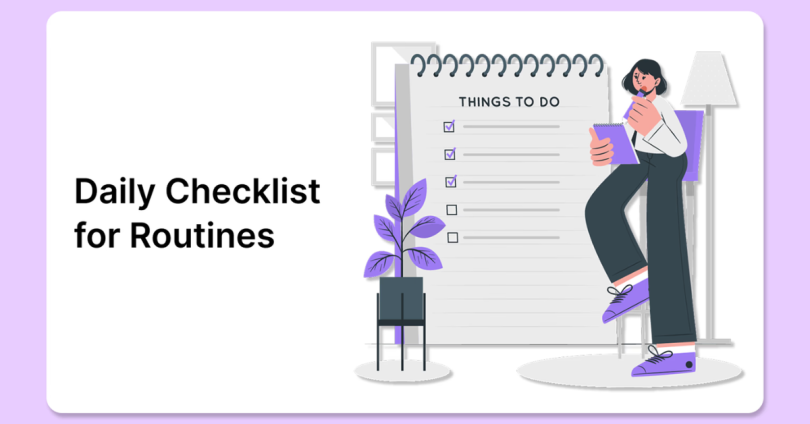
Managing daily tasks is essential for maintaining order and balance in life. Every day includes responsibilities such as work, study, personal care, and household activities. When these tasks are handled properly, it becomes easier to stay productive, reduce stress, and make better use of time.
Why People Struggle with Daily Routines
Many people struggle with daily routines because of poor planning, lack of consistency, and distractions. Unclear priorities, procrastination, and unpredictable schedules can also make it difficult to follow a structured routine. Over time, this leads to confusion and unfinished tasks.
Benefits of Step-by-Step Task Management
Easier to Start and Complete
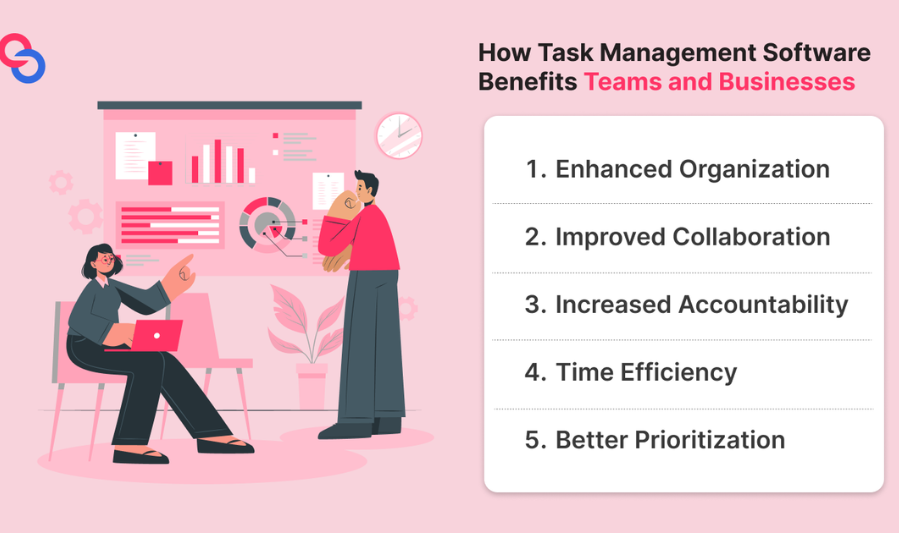
Breaking tasks into small steps makes them less overwhelming and easier to begin.
Improves Focus
Step-by-step management helps you concentrate on one task at a time instead of feeling overloaded.
Reduces Stress
A structured approach makes daily responsibilities feel more manageable and less stressful.
Purpose of the Blog

Provide Simple Guidance
The blog aims to offer easy and practical methods for handling everyday tasks effectively.
Improve Daily Efficiency
It helps readers organize their time and work in a more structured and productive way.
Support Better Habits
By encouraging simple step-by-step approaches, the blog supports long-term positive habits and a more balanced lifestyle.
In short, this blog is designed to make daily life easier through simple, practical, and structured task management techniques.
Understanding Daily Tasks
What Are Daily Tasks (Personal, Work, Study, Home)
Daily tasks are the routine activities people complete every day to keep life organized and functioning smoothly. These include personal tasks like self-care and errands, work-related responsibilities, study activities for learning and assignments, and home tasks such as cleaning, cooking, or managing household needs. Together, they form the structure of a normal day.
Why Organizing Tasks Is Important
Organizing tasks helps bring clarity and direction to the day. When tasks are arranged properly, it becomes easier to focus, reduce confusion, and complete work on time. Good organization also prevents important responsibilities from being forgotten or delayed, making daily life more balanced and efficient.
Common Problems in Handling Tasks
Many people struggle with handling tasks due to lack of planning, distractions, and procrastination. Other common issues include taking on too many responsibilities at once, not prioritizing properly, and failing to track progress. These problems often lead to stress and unfinished work.
Creating a Task List
Importance of Writing Tasks Down
Writing tasks down helps clear the mind and improves focus. Instead of trying to remember everything, a written list provides a clear plan of action. It also reduces mental pressure and increases the chances of completing tasks on time.
Simple Methods to List Daily Work
Basic To-Do List
Write down all tasks for the day in a simple list and check them off as you complete them.
Priority-Based List
Arrange tasks based on importance, starting with the most important ones first.
Time-Based List
Assign approximate time slots for each task to create better structure and flow.
Digital vs Paper To-Do Lists
Digital Lists
Apps and digital tools are convenient, easy to edit, and accessible on phones or computers. They are useful for people who prefer quick updates and reminders.
Paper Lists
Paper lists are simple, distraction-free, and help some people focus better without digital interruptions. They also provide a satisfying sense of completion when tasks are crossed off.
Keeping the List Realistic
Avoid Overloading
A long list of unrealistic tasks can lead to stress and failure to complete them.
Focus on Essentials
Include only important and achievable tasks for the day.
Adjust When Needed
It’s okay to update or modify your list based on time and energy.
A well-managed task list makes daily life more organized, focused, and less stressful by turning goals into clear, actionable steps.
Setting Priorities
What Is Task Prioritization
Task prioritization is the process of deciding which tasks should be done first based on their importance and urgency. It helps you organize your work so that the most valuable activities get completed on time, instead of spending effort on less important things.
How to Identify Important vs Less Important Tasks
Important Tasks
These are tasks that directly contribute to your goals, responsibilities, or long-term progress. They may not always feel urgent, but they have meaningful impact if completed on time.
Less Important Tasks
These tasks may be routine, optional, or easily delayed without major consequences. They often take time but add less value compared to important tasks.
Simple Check
Ask yourself: “Will this matter tomorrow, next week, or in my goals?” If yes, it is likely important.
Using Simple Priority Methods (Urgent vs Non-Urgent)
Urgent Tasks
These require immediate attention and usually have deadlines or time pressure. They should be handled first to avoid problems.
Non-Urgent Tasks
These are important but can be planned for later. They should not be ignored but scheduled properly.
Simple Approach
Focus first on urgent and important tasks, then move to important but non-urgent tasks. This keeps your day balanced and productive.
Avoiding Time-Wasting Tasks
Identify Low-Value Activities
Avoid tasks that do not contribute to your goals or responsibilities.
Reduce Distractions
Limit unnecessary phone use, social media, and unplanned activities during work time.
Learn to Say No
Politely avoid tasks that are not important or do not fit your priorities.
Good prioritization helps you focus on what truly matters, manage time effectively, and reduce daily stress.
Breaking Tasks into Steps
Why Big Tasks Feel Difficult
Big tasks often feel overwhelming because they require a lot of time, effort, and planning. When a task looks too large, the brain tends to avoid it or delay starting. Uncertainty about where to begin and fear of not doing it perfectly also make large tasks seem more difficult than they actually are.
How to Divide Tasks into Small Steps
Start with the Main Goal
First, clearly define what you want to achieve. Understanding the final outcome helps you see the path more clearly.
Break It Into Phases
Split the task into major stages or sections instead of trying to handle everything at once.
Convert Into Simple Actions
Each phase can then be broken into small, clear actions that are easy to complete one by one.
Benefits of Step-by-Step Approach
Easier to Start
Small steps reduce pressure and make it easier to begin working.
Better Focus
Working on one small part at a time improves concentration and reduces confusion.
Faster Progress
Consistent small actions lead to steady progress and better overall results.
Less Stress
Breaking tasks reduces mental overload and makes work feel more manageable.
Examples of Breaking Tasks
Example 1: Writing a Report
- Choose topic
- Gather information
- Create outline
- Write introduction
- Write main sections
- Edit and finalize
Example 2: Cleaning a Room
- Pick up trash
- Organize items
- Dust surfaces
- Clean floor
- Arrange furniture
Example 3: Studying for an Exam
- Identify topics
- Make study plan
- Study one topic at a time
- Revise notes
- Practice questions
Breaking tasks into steps turns large, difficult work into simple and manageable actions, making productivity easier and more consistent.
Time Management for Daily Tasks
Assigning Time to Each Task
Assigning time means deciding how long each task should take before you start it. This helps you stay realistic and prevents tasks from expanding endlessly. When you set a clear time limit, you become more focused and less likely to waste time on unnecessary details.
Creating a Daily Schedule
Plan Your Day in Advance
Start by listing all your tasks and arranging them in order of importance. This gives you a clear direction for the day.
Divide the Day into Sections
Break your day into simple parts such as morning, afternoon, and evening. Assign specific tasks to each section.
Keep It Simple
A good schedule should be easy to follow. Avoid overloading your day with too many tasks.
Avoiding Delays and Procrastination
Start Early
Begin tasks as soon as possible instead of delaying them. Early action reduces pressure later in the day.
Break Tasks into Smaller Steps
Smaller tasks feel easier and reduce the urge to postpone work.
Remove Distractions
Limit phone use, social media, and unnecessary interruptions during focused work time.
You may also like to read these posts:
Daily Life Questions with Simple and Easy Answers for Everyone
Simple and Quick Answers to Common Daily Problems
Staying Consistent with Timing
Follow a Routine
Doing tasks at the same time each day builds a strong habit and improves discipline.
Stick to Planned Time Blocks
Try to complete tasks within the time you assigned to avoid delays.
Be Flexible but Disciplined
Adjust when needed, but try to maintain overall consistency in your schedule.
Effective time management helps you complete daily tasks smoothly, reduce stress, and build a more organized and productive routine.
Faqs:
What is the best way to do daily tasks step by step?
The best way is to list your tasks, set priorities, break them into small steps, and complete them one by one with a simple schedule.
Why is it important to break tasks into steps?
Breaking tasks into steps makes work easier, reduces stress, and helps you complete even big tasks more efficiently.
How can I stay focused while doing daily tasks?
Avoid distractions like mobile notifications, work in a quiet space, and take short breaks to maintain focus.
What should I do if I can’t complete all my tasks in a day?
Recheck your priorities, move unfinished tasks to the next day, and adjust your schedule to be more realistic.
How does step-by-step planning improve productivity?
It helps you stay organized, manage time better, and complete tasks in a structured and stress-free way.
Conclusion
Doing daily tasks step by step is one of the simplest and most effective ways to stay organized and productive. When you plan your work, set priorities, and break tasks into smaller steps, everything becomes easier to manage and less stressful.
The key is consistency. You don’t need a perfect system—just a clear and simple routine that you follow every day. Small improvements in how you handle your tasks can lead to better time management and a more balanced lifestyle.