

Introduction
Brief Overview of Everyday Problems
Everyday problems are the small and common challenges people face in their daily routines. These can include managing time, handling responsibilities, dealing with stress, making decisions, or solving unexpected issues. While they may seem simple, they can affect productivity and peace of mind if not handled properly.
Why Problem-Solving Skills Are Important
Better Control of Life
Problem-solving skills help you handle situations calmly and effectively instead of feeling overwhelmed.
Improved Decision-Making
They allow you to think clearly, analyze options, and choose the best solution.
Reduced Stress
When you know how to solve problems, you feel more confident and less stressed.
What Readers Will Learn from This Guide
Simple Techniques
Readers will learn easy and practical methods to solve everyday problems.
Step-by-Step Approach
The guide will explain how to break problems into small steps and handle them efficiently.
Real-Life Application
The focus is on using these skills in daily life to improve productivity, confidence, and overall well-being.
Understanding Common Issues

What Are Common Issues?
Common issues are everyday problems or challenges that people frequently face in different areas of life. These can be small or large, but they usually require attention and a solution to prevent further difficulty.
Types of Problems (Technical, Daily Life, Work-Related)
Technical Problems
Issues related to devices, software, or technology.
Examples:
- Internet not working
- Software errors
- Device malfunctions
Daily Life Problems
Problems that occur in routine activities and personal life.
Examples:
- Time management difficulties
- Forgetting tasks
- Managing household responsibilities
Work-Related Problems
Challenges faced in professional or academic environments.
Examples:
- Meeting deadlines
- Handling workload
- Communication with colleagues
Importance of Identifying the Root Cause
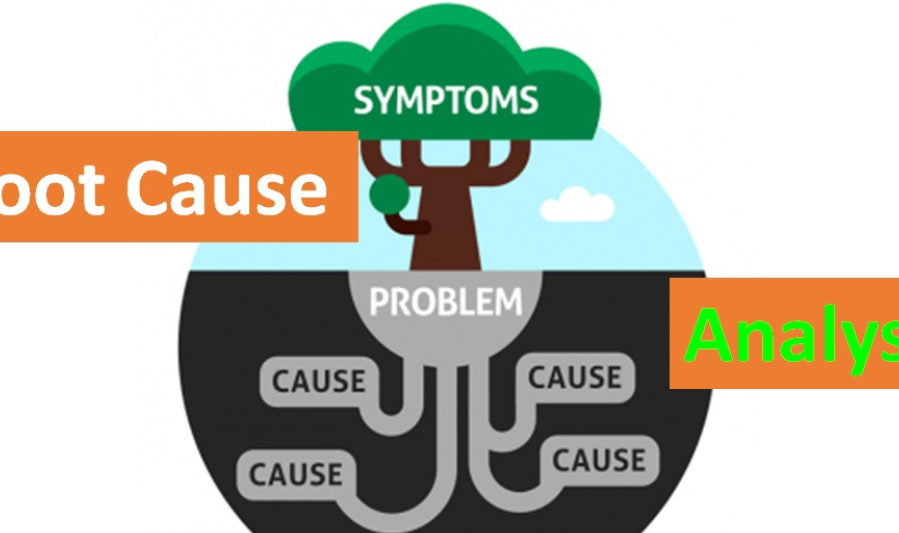
Solve the Real Problem
Understanding the root cause helps you fix the actual issue instead of just treating the symptoms.
Prevent Repetition
When you know the cause, you can stop the problem from happening again.
Better Decision-Making
Clear understanding leads to more effective and practical solutions.
Identifying and understanding common issues is the first step toward solving problems in a simple and effective way.
Steps to Identify the Problem
Observing Symptoms
Start by noticing what is happening. Symptoms are the visible signs that something is wrong.
Look Carefully
Pay attention to patterns, changes, or repeated issues that indicate a problem.
Asking the Right Questions
Clarify the Situation
Ask simple questions like:
- What exactly is happening?
- When does the problem occur?
- Why might it be happening?
Stay Specific
Clear questions help you understand the issue more accurately.
Gathering Relevant Information
Collect Facts
Gather all important details related to the problem instead of guessing.
Understand the Context
Knowing the full situation helps in identifying the real cause.
Avoiding Assumptions
Don’t Jump to Conclusions
Assumptions can lead to wrong solutions and more confusion.
Focus on Reality
Base your understanding on facts, not guesses or opinions.
Following these steps helps you identify the real problem clearly and makes it easier to find the right solution.
Simple and Quick Fixes
Trying Basic Solutions First
Start with the simplest possible solution before moving to complex ones. Many everyday problems can be solved quickly with small adjustments.
Why It Works
Simple fixes save time and effort, and often solve the issue immediately.
Restarting or Resetting (for Devices/Problems)
Quick Reset
Restarting a device or taking a short break from a problem can refresh the system or your thinking.
Fresh Start
This often removes temporary errors or mental blocks.
Breaking Problems into Smaller Parts
Simplify the Issue
Divide the problem into smaller sections to make it easier to understand.
Solve Step by Step
Focus on one part at a time instead of handling everything at once.
Checking for Obvious Mistakes
Look for Small Errors
Sometimes the problem is caused by simple mistakes like wrong settings, missed steps, or small oversights.
Save Time
Fixing obvious errors quickly can solve the issue without extra effort.
Using these simple and quick fixes helps resolve many everyday problems efficiently without stress or confusion.
Basic Troubleshooting Techniques
Step-by-Step Problem-Solving Approach
Start by following a clear and simple process instead of guessing randomly.
How It Helps
Working step by step keeps things organized and reduces confusion while solving the problem.
Eliminating Possible Causes
Narrow Down the Issue
Remove one possible cause at a time to find what is actually creating the problem.
Process of Elimination
This method helps you avoid wasting time on things that are not related.
Testing Different Solutions
Try Alternatives
If one solution does not work, try another option instead of stopping.
Learn What Works
Each attempt gives you more understanding of the problem.
Keeping Track of What Works
Note Results
Remember or write down which solutions worked and which did not.
Improve Future Problem-Solving
This helps you solve similar problems faster next time.
Using these basic troubleshooting techniques makes problem-solving more structured, efficient, and easier to manage in everyday situations.
Staying Organized to Avoid Issues
Importance of Organization
Being organized helps you manage your tasks, time, and responsibilities more effectively. It reduces confusion, prevents mistakes, and makes daily life smoother and more productive.
Why It Matters
When things are organized, it becomes easier to find information, complete tasks on time, and avoid unnecessary stress.
You may also like to read these posts:
Daily Life Questions with Simple and Easy Answers for Everyone
Simple and Quick Answers to Common Daily Problems
Beginner Guide: Easy How to Solve Common Problems Easily
Time Management Tips
Plan Your Day
Start by setting clear goals for what you need to complete each day.
Prioritize Tasks
Focus on important tasks first instead of doing everything at once.
Avoid Delay
Try to complete tasks on time to prevent last-minute pressure.
Using Tools (To-Do Lists, Apps, Planners)
To-Do Lists
Writing down tasks helps you stay focused and remember what needs to be done.
Mobile Apps
Productivity apps can help you track tasks, set reminders, and manage time efficiently.
Planners and Notebooks
Traditional planners are useful for organizing schedules and planning ahead in a simple way.
Staying organized helps you prevent problems before they happen and makes daily life more structured and stress-free.
Faqs:
What are common issues people usually face?
Common issues include technical problems, daily life challenges, work-related difficulties, and small mistakes caused by lack of attention or organization.
How can I quickly fix common problems?
Start with simple solutions like restarting, checking basic settings, or breaking the problem into smaller steps before trying advanced fixes.
Why is it important to identify the root cause of a problem?
Finding the root cause helps you solve the issue permanently instead of just fixing the symptoms temporarily.
What should I do if I cannot fix a problem myself?
You should look for reliable information online or ask someone experienced for help to avoid making the issue worse.
How can I prevent common issues in the future?
You can prevent problems by staying organized, maintaining regular updates, following good habits, and learning from past mistakes.
Conclusion
Common issues are a part of everyday life, but they don’t have to become a source of stress. With the right approach—understanding the problem, applying simple fixes, and using basic troubleshooting techniques—you can solve most problems quickly and effectively. Staying organized, learning from reliable sources, and knowing when to ask for help also make a big difference.
By practicing these methods regularly, you not only fix current issues but also reduce the chances of facing similar problems in the future. Over time, strong problem-solving skills will help you handle challenges with more confidence and ease.