
Introduction
Importance of Problem-Solving in Daily Life
Problem-solving is an essential skill in everyday life because we constantly face small and big challenges. These may include managing time, handling work, making decisions, or dealing with unexpected situations. Good problem-solving helps make life easier, more organized, and less stressful.
Why Beginners Need Simple Strategies
Easy Understanding
Beginners often struggle when solutions are too complex, so simple strategies make learning easier and more effective.
Step-by-Step Learning
Clear and basic methods help beginners understand how to approach problems one step at a time.
Reduced Confusion
Simple strategies prevent overthinking and help focus on practical solutions.
Purpose of the Blog: Learning Easy Problem-Solving Methods
Make Problem-Solving Simple
The blog aims to teach easy and practical ways to handle everyday problems without confusion.
Build Confidence
It helps beginners feel more confident in dealing with different situations.
Improve Daily Life Skills
The goal is to develop simple problem-solving habits that can be used in real-life situations.
What Is Problem Solving?
Simple Definition of Problem Solving
Problem solving is the process of finding a solution to a difficulty or challenge. It means identifying an issue, understanding it clearly, and taking the right steps to fix it in an effective way.
How It Works in Everyday Situations
Identify the Problem
First, you recognize what is going wrong or what needs to be improved.
Understand the Cause
Next, you look for the reason behind the problem instead of just focusing on the result.
Find a Solution
Finally, you choose a simple and practical way to solve it and take action.
Examples of Common Problems People Face
- Managing time and completing tasks on schedule
- Dealing with stress or pressure in daily life
- Making decisions between different choices
- Staying focused while studying or working
- Handling small conflicts or misunderstandings
- Organizing daily routines and responsibilities
Importance of Problem-Solving Skills

Helps in Making Better Decisions
Problem-solving skills help you evaluate situations clearly and choose the most suitable option. Instead of guessing or reacting quickly, you learn to think before acting, which leads to better and more effective decisions.
Improves Logical and Critical Thinking
Clear Thinking
These skills train your mind to think in an organized and logical way.
Better Analysis
You learn to break problems into parts, understand causes, and find practical solutions.
Builds Confidence and Independence
Self-Reliance
When you can solve problems on your own, you become more independent in daily life.
Confidence Boost
Successfully handling challenges increases your self-confidence and reduces fear of difficulties.
Useful in Studies, Work, and Personal Life
Academic Success
Problem-solving helps in understanding subjects and answering questions effectively.
Professional Growth
In work life, it improves productivity and decision-making abilities.
Daily Life Use
It helps manage everyday challenges like time management, planning, and handling situations calmly.
Types of Problems Beginners May Face
Academic Problems
Beginners often face difficulties in understanding new subjects, remembering concepts, or managing study workload.
Common Examples
- Difficulty understanding lessons
- Trouble with assignments or exams
- Lack of study planning
Work-Related Challenges
These problems appear in job or learning environments where tasks and responsibilities need to be managed.
Common Examples
- Meeting deadlines
- Understanding instructions
- Handling workload pressure
Daily Life Issues
Everyday situations can also create small but frequent problems that need simple solutions.
Common Examples
- Managing routines
- Organizing tasks
- Handling unexpected situations
Communication Problems
Understanding and Expression Issues
Beginners may struggle to express ideas clearly or understand others properly.
Common Examples
- Misunderstandings in conversations
- Difficulty speaking confidently
- Poor listening or clarity
Time Management Problems
Poor Planning
Not organizing time properly can lead to delays and stress.
Common Examples
- Procrastination
- Missing deadlines
- Difficulty prioritizing tasks
Understanding these types of problems helps beginners recognize challenges early and start finding simple solutions more effectively.
Problem Solving Tips for Beginners (Main Section)
Understand the Problem Clearly
Before trying to solve anything, make sure you fully understand what the problem is. Many mistakes happen when people focus on symptoms instead of the real issue.
Key Idea
Ask simple questions like: What exactly is wrong? Why is it happening?
Break It into Smaller Parts
Simplify the Situation
Large problems feel easier when divided into smaller, manageable parts.
Better Clarity
Each small part becomes easier to understand and handle.
Think of Multiple Solutions
Explore Options
Don’t rely on just one idea—try to think of different possible solutions.
Be Creative
Sometimes the simplest idea works best.
Analyze Pros and Cons
Compare Options
Look at the advantages and disadvantages of each solution.
Make Informed Choices
This helps you avoid quick or wrong decisions.
Choose the Best Solution
Pick What Works Best
Select the option that is most practical and effective for your situation.
Keep It Simple
Avoid overcomplicating the decision.
Take Action Step by Step
Start Small
Begin with the first step instead of trying to solve everything at once.
Stay Consistent
Follow each step carefully until the problem is solved.
Learn from Results
Review the Outcome
After solving the problem, think about what worked and what didn’t.
Improve for Next Time
Use your experience to make better decisions in the future.
Following these simple problem-solving tips helps beginners handle challenges in a clear, structured, and effective way.
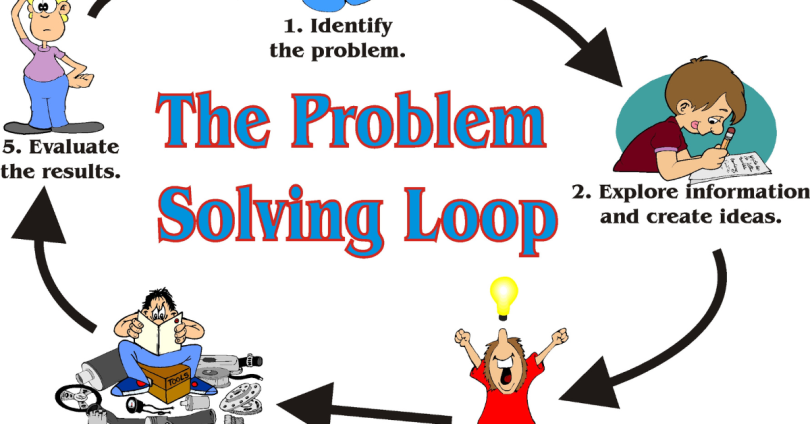
Step-by-Step Problem Solving Process
Identify the Problem
The first step is to clearly understand what the real problem is. This means focusing on the actual issue instead of the confusion around it.
Key Point
Be specific about what needs to be solved.
Gather Information
Collect Details
Before making decisions, collect all important facts related to the problem.
Understand the Situation
This helps you see the problem more clearly and avoid wrong assumptions.
Brainstorm Solutions
Think Freely
Come up with as many possible solutions as you can without judging them at first.
Explore Ideas
Even simple or unusual ideas can lead to good solutions.
Evaluate Options
Compare Solutions
Check the advantages and disadvantages of each option.
Choose Wisely
Select the solution that is most practical and effective.
You may also like to read these posts:
Daily Life Questions with Simple and Easy Answers for Everyone
Simple and Quick Answers to Common Daily Problems
Beginner Guide: Easy How to Solve Common Problems Easily
Implement Solution
Take Action
Start applying the chosen solution step by step.
Stay Focused
Follow the plan carefully to avoid mistakes.
Review the Outcome
Check Results
After solving the problem, see whether the solution worked well.
Learn and Improve
Use the experience to improve your problem-solving skills for the future.
Faqs:
What is problem solving for beginners?
Problem solving for beginners means learning simple steps to understand a problem and find the best possible solution in an easy and organized way.
Why are problem-solving skills important?
They are important because they help you make better decisions, handle challenges calmly, and improve thinking in both personal and professional life.
What are the basic steps of problem solving?
The basic steps include understanding the problem, breaking it into parts, finding solutions, choosing the best option, and taking action.
How can beginners improve problem-solving skills?
Beginners can improve by practicing daily, thinking logically, learning from mistakes, and staying calm while solving issues.
What are common mistakes in problem solving?
Common mistakes include panicking, ignoring the real cause of the problem, rushing decisions, and not evaluating solutions properly.
Conclusion
Learning problem solving tips for beginners is essential for handling everyday challenges with confidence and clarity. By understanding the problem, thinking step by step, and choosing the right solution, anyone can improve their decision-making skills. With regular practice and a calm mindset, problem-solving becomes easier and more effective over time, helping you succeed in both personal and professional life.